• Home
  • Year 9
    • Unit 1 - Bronze Age Greece >
      • Lesson 1 - Minoa
      • Lesson 2 - Myths
      • Lesson 3 - Atlantis
      • Lesson 4 - The Mycenaeans
      • Lesson 5 - Troy
      • End of Unit Test
    • Unit 2 - Classical Greece >
      • Lesson 1 - Archaic Period
      • Lesson 2 - Olympics
      • Lesson 3 - Athens
      • Lesson 4 - Democracy
      • Lesson 5 - Sparta
      • Lesson 6 - Greek Gods
      • Lesson 7 - Greek Legacy
      • End of Unit Test - 2
    • Unit 3 - Roman Republic >
      • Lesson 1 - Foundation
      • Lesson 2 - Republic
      • Lesson 3 - Hannibal
      • Lesson 4 - Julius Caesar
      • Lesson 5 - Rome
    • Unit 4 - Roman Empire >
      • Lesson 1 - Empire
      • Lesson 2 - Roman Nyon
      • Lesson 3 - Pompeii
      • Lesson 4 - Rise and Fall
      • Lesson 5 - Legacy
    • Unit 5 - The early Middle Ages >
      • Lesson 1 - Middle Ages?
      • Lesson 2 - Christianity
      • Lesson 3 - Monasteries
      • Lesson 4 - Justinian
      • Lesson 5 - Islam
      • Lesson 6 - Vikings
  • Year 11
    • Warfare - A study through time >
      • Lesson 1 - Introduction >
        • Warfare - Timeline activity >
          • Students' Timelines 2020
      • Lesson 2 - Medieval >
        • Case Study - 1066 - Battle of Hastings
      • Lesson 3 - Crusades >
        • Case Study - 1271 - Krak des Chevaliers
      • Lesson 4 - New World >
        • Case Study - 1532 - Battle of Cajamarca
      • Lesson 5 - Religion >
        • Case Study - 1572 - St. Bartholomew's Day Massacre
      • Lesson 6 - Napoleon >
        • Case Study - 1796 - Battle of Lodi
      • Lesson 7 - Industrial >
        • Case Study - 1859 - Battle of Solferino
      • Lesson 8 - World War 1 >
        • Case Study - 1915 - The Battle of Ypres
      • Lesson 9 - 1930s >
        • Case Study - 1937 - Nanjing Massacre
      • Lesson 10 - Vietnam >
        • Case Study - 1968 - Tet Offensive
    • Matu 1 - The American Revolution >
      • Lesson 1 - The Scientific Revolution
      • Lesson 2 - The Enlightenment
      • Lesson 3 - Enlightened Monarchs
      • Lesson 4 - Colonising America
      • Lesson 5 - Thirteen Colonies
      • Lesson 6 - Boston Massacre? >
        • Boston Massacre - The Play
      • Lesson 7 - Short-term causes
      • Lesson 8 - Why Britain lost
      • Lesson 9 - Consequences
      • Lesson 10 - How revolutionary?
    • Matu 2 - The French Revolution >
      • Lesson 1 - Introduction
      • Lesson 2 - Causes SE
      • Lesson 3 - Causes CP
      • Lesson 4 - Short term causes
      • Lesson 5 - The Bastille
      • Lesson 6 - 1789-91
      • Lesson 7 - 1793 Execution
      • Lesson 8 - The Terror
    • Matu 3 - Switzerland and Napoleon >
      • Lesson 1 - Ancien Regime
      • Lesson 2 - 1789
      • Lesson 3 - Napoleon's Rise
      • Lesson 4 - Napoleon in Art
      • Lesson 5 - Napoleon's Reforms
      • Lesson 6 - Switzerland 1798-1815
      • Lesson 7 - Napoleon's Europe
      • Lesson 8 - Napoleon: Hero or villain
  • S1 S2
    • Matu 4 - Industrial Revolution >
      • Lesson 1 - Why was Britain First?
      • Lesson 2 - Economics - Agriculture
      • Lesson 3 - Economics - Industry
      • Lesson 4 - Transport
      • Lesson 5 - Social Impact
      • Lesson 6 - Cultural Impact
      • Lesson 7 - Political Impact
      • Lesson 8 - Switzerland
    • Matu 5 - Nationalism >
      • Lesson 1 - Impact of French Revolution
      • Lesson 2 - Napoleon and Vienna
      • Lesson 3 - 1815-48 - Age of Revolution
      • Lesson 4 - Italian Unification - 1830-48
      • Lesson 5 - Switzerland 1815-48
      • Lesson 6 - Italian Unification - 1848-70
      • Lesson 7 - German Unification - 1848-71
      • Lesson 8 - The German Empire
    • Matu 6 - New Imperialism >
      • Lesson 1 - New Imperialism?
      • Lesson 2 - Africa
      • Lesson 3 - Congo
      • Lesson 4 - China
      • Lesson 5 - Japan
      • Lesson 6 - Legacy
      • Jared Diamond thesis
    • Matu 7 - World War 1 >
      • Lesson 1 - Introduction
      • Lesson 2 - Causes
      • Lesson 3 - 1914
      • Lesson 4 - Expectations
      • Lesson 5 - Reality
      • Lesson 6 - Total War
      • Lesson 7 - Switzerland
      • Lesson 8 - Defeat
      • Lesson 9 - Peace 1919
    • Matu 8 - Russian Revolutions >
      • Lesson 1 - Russia before 1917 >
        • Tim Marshall - Russia
      • Lesson 2 - 1905 Revolution
      • Lesson 3 - February Revolution
      • Lesson 4 - Marxism
      • Lesson 5 - Lenin
      • Lesson 6 - The Bolsheviks
      • Lesson 7 - 1917-18
      • Lesson 8 - Civil War
    • Matu 9 - USA 1919-41 >
      • Lesson 1 - 1920s boom
      • Lesson 2 - Roaring 20s?
      • Lesson 3 - Crash
      • Lesson 4 - 1932 Election
      • Lesson 5 - New Deal
      • Lesson 6 - Judging the New Deal
    • Matu 10 - Totalitarian States >
      • Lesson 1 - Modern Authoritarianism >
        • Is Trump's USA fascist?
      • Lesson 2 - Fascism
      • Lesson 3 - Mussolini - Rise to Power
      • Lesson 4 - Mussolini - Consolidation of Power
      • Lesson 5 - Mussolini - Aims and policies
      • Lesson 6 - Research presentations >
        • Hitler - Research presentations
        • Stalin- Research presentations
      • Lesson 7 - Hitler - Germany 1933-45 >
        • Hitler - Rise to Power
        • Hitler - Consolidation of Power
        • Hitler - Aims and policies
      • Lesson 8 - Stalin - USSR 1924-41 >
        • Stalin - Rise to Power
        • Stalin - Consolidation of Power
        • Stalin - Aims and policies
    • Exams and Revision
  • S3
    • Matu 11 - World War II >
      • Lesson 1 - WW1
      • Lesson 2 - LoN
      • Lesson 3 - Hitler
      • Lesson 4 - Appeasement
      • Lesson 5 - 1939-40
      • Lesson 6 - Japan
      • Lesson 7 - Russia
      • Lesson 8 - Total War
      • Lesson 9 - Defeat
      • Lesson 10 - Switzerland
    • Matu 12 - The Cold War >
      • Lesson 1 - Causes
      • Lesson 2 - Berlin
      • Lesson 3 - 1950s
      • Lesson 4 - 1960s
      • Lesson 5 - 1970s
      • Lesson 6 - 1980s
    • Matu 13 - Decolonisation and the Third World >
      • Lesson 1 - Factors
      • Lesson 2 - Case studies
      • Lesson 3 - Consequences
    • Matu 14 - Switzerland >
      • Swiss Politics
      • Swiss History
    • Exams and Revision
  • IB History
    • IB History - Paper 1 >
      • IB History - Paper 1 - Content
      • IB History - Paper 1 - Past paper questions >
        • Question 1a
        • Question 1b
        • Question 2
        • Question 3
        • Question 4
      • IB History - Paper 1 - Skills
    • IB History - Paper 2 >
      • IB History - Paper 2 past paper questions
      • IB History - 7. Industrialization >
        • IB History - Past paper questions - Industrialization
        • IB History - First and Second Industrial Revolution
        • IB History - Steven Johnson
        • Activity 1
      • IB History - 8. Independence movements >
        • IB History - Past paper questions - Independence movements
        • IB History - Revision Template - Independence movements >
          • IB History - Independence movements - Theme 1 - Origin and rise
          • IB History - Independence movements - Theme 2 - Methods
      • IB History - 10. Authoritarian States >
        • IB History - Emergence of authoritarian states
        • IB History - Consolidation and maintenance
        • IB History - Aims and policies
        • IB History - Past paper questions - Authoritarian states
        • IB History - Revision Template - Authoritarian states >
          • Hitler - Germany and Castro - Cuba - A comparative analysis (Part 1)
          • Hitler - Germany and Castro - Cuba - A comparative analysis (Part 2)
          • Hitler - Germany and Castro - Cuba - A comparative analysis (Part 3)
      • IB History - 11. Warfare >
        • IB History - Past paper questions - Warfare
      • IB History - 12. Cold War >
        • IB History - Past paper questions - Cold War
        • IB History - Revision essay plans - Cold War >
          • Cold War - 1943-49 - Rivalry, mistrust and accord
          • Cold War - 1947-79 - Rivalry, mistrust and accord
          • Cold War - 1980-91 - Rivalry, mistrust and accord
          • Cold War - Leaders, nations and Cold War crises.
    • IB History - IA - Internal Assessment
  • TOK
    • Critical Thinking >
      • Lesson 1 - Thinking >
        • Lesson 1 - Test
      • Lesson 2 - Language
      • Lesson 3 - Senses
      • Lesson 4 - Reason
      • Lesson 5 - Emotion
      • Assessment >
        • Movie perception test
        • Complete film
        • Student Films 2021
    • Core theme - Knowledge and the knower >
      • Knowledge framework
    • Areas of Knowledge >
      • History >
        • Scope in history
        • Method and perspective in history
        • Ethics in history
      • Human Science >
        • Scope in human science
        • Method and perspectives in human science
        • Ethics in human science
      • Natural Science >
        • Scope in natural science
        • Method and perspectives in natural science
        • Ethics in human science
      • Maths >
        • Scope in maths
        • Method and perspectives in maths
        • Ethics in maths
      • Arts >
        • Scope in the arts
        • Method and perspectives in arts
        • Ethics in the arts
      • Politics >
        • Scope in politics
        • Method and perspectives in politics
        • Ethics in politics
      • Technology >
        • Scope in technology
        • Method and perspectives in politics
        • Ethics in technology
      • Language >
        • Scope in language
        • Method and perspectives in language
        • Ethics in technology
    • Assessment >
      • TOK Exhibition >
        • TOK Exhibition 2023
        • TOK Exhibition 2024
        • TOK Exhibition 2025
      • Essay
    • Feature Films
  • Film Workshop
  • About
International School History
  • Home
  • Year 9
    • Unit 1 - Bronze Age Greece >
      • Lesson 1 - Minoa
      • Lesson 2 - Myths
      • Lesson 3 - Atlantis
      • Lesson 4 - The Mycenaeans
      • Lesson 5 - Troy
      • End of Unit Test
    • Unit 2 - Classical Greece >
      • Lesson 1 - Archaic Period
      • Lesson 2 - Olympics
      • Lesson 3 - Athens
      • Lesson 4 - Democracy
      • Lesson 5 - Sparta
      • Lesson 6 - Greek Gods
      • Lesson 7 - Greek Legacy
      • End of Unit Test - 2
    • Unit 3 - Roman Republic >
      • Lesson 1 - Foundation
      • Lesson 2 - Republic
      • Lesson 3 - Hannibal
      • Lesson 4 - Julius Caesar
      • Lesson 5 - Rome
    • Unit 4 - Roman Empire >
      • Lesson 1 - Empire
      • Lesson 2 - Roman Nyon
      • Lesson 3 - Pompeii
      • Lesson 4 - Rise and Fall
      • Lesson 5 - Legacy
    • Unit 5 - The early Middle Ages >
      • Lesson 1 - Middle Ages?
      • Lesson 2 - Christianity
      • Lesson 3 - Monasteries
      • Lesson 4 - Justinian
      • Lesson 5 - Islam
      • Lesson 6 - Vikings
  • Year 11
    • Warfare - A study through time >
      • Lesson 1 - Introduction >
        • Warfare - Timeline activity >
          • Students' Timelines 2020
      • Lesson 2 - Medieval >
        • Case Study - 1066 - Battle of Hastings
      • Lesson 3 - Crusades >
        • Case Study - 1271 - Krak des Chevaliers
      • Lesson 4 - New World >
        • Case Study - 1532 - Battle of Cajamarca
      • Lesson 5 - Religion >
        • Case Study - 1572 - St. Bartholomew's Day Massacre
      • Lesson 6 - Napoleon >
        • Case Study - 1796 - Battle of Lodi
      • Lesson 7 - Industrial >
        • Case Study - 1859 - Battle of Solferino
      • Lesson 8 - World War 1 >
        • Case Study - 1915 - The Battle of Ypres
      • Lesson 9 - 1930s >
        • Case Study - 1937 - Nanjing Massacre
      • Lesson 10 - Vietnam >
        • Case Study - 1968 - Tet Offensive
    • Matu 1 - The American Revolution >
      • Lesson 1 - The Scientific Revolution
      • Lesson 2 - The Enlightenment
      • Lesson 3 - Enlightened Monarchs
      • Lesson 4 - Colonising America
      • Lesson 5 - Thirteen Colonies
      • Lesson 6 - Boston Massacre? >
        • Boston Massacre - The Play
      • Lesson 7 - Short-term causes
      • Lesson 8 - Why Britain lost
      • Lesson 9 - Consequences
      • Lesson 10 - How revolutionary?
    • Matu 2 - The French Revolution >
      • Lesson 1 - Introduction
      • Lesson 2 - Causes SE
      • Lesson 3 - Causes CP
      • Lesson 4 - Short term causes
      • Lesson 5 - The Bastille
      • Lesson 6 - 1789-91
      • Lesson 7 - 1793 Execution
      • Lesson 8 - The Terror
    • Matu 3 - Switzerland and Napoleon >
      • Lesson 1 - Ancien Regime
      • Lesson 2 - 1789
      • Lesson 3 - Napoleon's Rise
      • Lesson 4 - Napoleon in Art
      • Lesson 5 - Napoleon's Reforms
      • Lesson 6 - Switzerland 1798-1815
      • Lesson 7 - Napoleon's Europe
      • Lesson 8 - Napoleon: Hero or villain
  • S1 S2
    • Matu 4 - Industrial Revolution >
      • Lesson 1 - Why was Britain First?
      • Lesson 2 - Economics - Agriculture
      • Lesson 3 - Economics - Industry
      • Lesson 4 - Transport
      • Lesson 5 - Social Impact
      • Lesson 6 - Cultural Impact
      • Lesson 7 - Political Impact
      • Lesson 8 - Switzerland
    • Matu 5 - Nationalism >
      • Lesson 1 - Impact of French Revolution
      • Lesson 2 - Napoleon and Vienna
      • Lesson 3 - 1815-48 - Age of Revolution
      • Lesson 4 - Italian Unification - 1830-48
      • Lesson 5 - Switzerland 1815-48
      • Lesson 6 - Italian Unification - 1848-70
      • Lesson 7 - German Unification - 1848-71
      • Lesson 8 - The German Empire
    • Matu 6 - New Imperialism >
      • Lesson 1 - New Imperialism?
      • Lesson 2 - Africa
      • Lesson 3 - Congo
      • Lesson 4 - China
      • Lesson 5 - Japan
      • Lesson 6 - Legacy
      • Jared Diamond thesis
    • Matu 7 - World War 1 >
      • Lesson 1 - Introduction
      • Lesson 2 - Causes
      • Lesson 3 - 1914
      • Lesson 4 - Expectations
      • Lesson 5 - Reality
      • Lesson 6 - Total War
      • Lesson 7 - Switzerland
      • Lesson 8 - Defeat
      • Lesson 9 - Peace 1919
    • Matu 8 - Russian Revolutions >
      • Lesson 1 - Russia before 1917 >
        • Tim Marshall - Russia
      • Lesson 2 - 1905 Revolution
      • Lesson 3 - February Revolution
      • Lesson 4 - Marxism
      • Lesson 5 - Lenin
      • Lesson 6 - The Bolsheviks
      • Lesson 7 - 1917-18
      • Lesson 8 - Civil War
    • Matu 9 - USA 1919-41 >
      • Lesson 1 - 1920s boom
      • Lesson 2 - Roaring 20s?
      • Lesson 3 - Crash
      • Lesson 4 - 1932 Election
      • Lesson 5 - New Deal
      • Lesson 6 - Judging the New Deal
    • Matu 10 - Totalitarian States >
      • Lesson 1 - Modern Authoritarianism >
        • Is Trump's USA fascist?
      • Lesson 2 - Fascism
      • Lesson 3 - Mussolini - Rise to Power
      • Lesson 4 - Mussolini - Consolidation of Power
      • Lesson 5 - Mussolini - Aims and policies
      • Lesson 6 - Research presentations >
        • Hitler - Research presentations
        • Stalin- Research presentations
      • Lesson 7 - Hitler - Germany 1933-45 >
        • Hitler - Rise to Power
        • Hitler - Consolidation of Power
        • Hitler - Aims and policies
      • Lesson 8 - Stalin - USSR 1924-41 >
        • Stalin - Rise to Power
        • Stalin - Consolidation of Power
        • Stalin - Aims and policies
    • Exams and Revision
  • S3
    • Matu 11 - World War II >
      • Lesson 1 - WW1
      • Lesson 2 - LoN
      • Lesson 3 - Hitler
      • Lesson 4 - Appeasement
      • Lesson 5 - 1939-40
      • Lesson 6 - Japan
      • Lesson 7 - Russia
      • Lesson 8 - Total War
      • Lesson 9 - Defeat
      • Lesson 10 - Switzerland
    • Matu 12 - The Cold War >
      • Lesson 1 - Causes
      • Lesson 2 - Berlin
      • Lesson 3 - 1950s
      • Lesson 4 - 1960s
      • Lesson 5 - 1970s
      • Lesson 6 - 1980s
    • Matu 13 - Decolonisation and the Third World >
      • Lesson 1 - Factors
      • Lesson 2 - Case studies
      • Lesson 3 - Consequences
    • Matu 14 - Switzerland >
      • Swiss Politics
      • Swiss History
    • Exams and Revision
  • IB History
    • IB History - Paper 1 >
      • IB History - Paper 1 - Content
      • IB History - Paper 1 - Past paper questions >
        • Question 1a
        • Question 1b
        • Question 2
        • Question 3
        • Question 4
      • IB History - Paper 1 - Skills
    • IB History - Paper 2 >
      • IB History - Paper 2 past paper questions
      • IB History - 7. Industrialization >
        • IB History - Past paper questions - Industrialization
        • IB History - First and Second Industrial Revolution
        • IB History - Steven Johnson
        • Activity 1
      • IB History - 8. Independence movements >
        • IB History - Past paper questions - Independence movements
        • IB History - Revision Template - Independence movements >
          • IB History - Independence movements - Theme 1 - Origin and rise
          • IB History - Independence movements - Theme 2 - Methods
      • IB History - 10. Authoritarian States >
        • IB History - Emergence of authoritarian states
        • IB History - Consolidation and maintenance
        • IB History - Aims and policies
        • IB History - Past paper questions - Authoritarian states
        • IB History - Revision Template - Authoritarian states >
          • Hitler - Germany and Castro - Cuba - A comparative analysis (Part 1)
          • Hitler - Germany and Castro - Cuba - A comparative analysis (Part 2)
          • Hitler - Germany and Castro - Cuba - A comparative analysis (Part 3)
      • IB History - 11. Warfare >
        • IB History - Past paper questions - Warfare
      • IB History - 12. Cold War >
        • IB History - Past paper questions - Cold War
        • IB History - Revision essay plans - Cold War >
          • Cold War - 1943-49 - Rivalry, mistrust and accord
          • Cold War - 1947-79 - Rivalry, mistrust and accord
          • Cold War - 1980-91 - Rivalry, mistrust and accord
          • Cold War - Leaders, nations and Cold War crises.
    • IB History - IA - Internal Assessment
  • TOK
    • Critical Thinking >
      • Lesson 1 - Thinking >
        • Lesson 1 - Test
      • Lesson 2 - Language
      • Lesson 3 - Senses
      • Lesson 4 - Reason
      • Lesson 5 - Emotion
      • Assessment >
        • Movie perception test
        • Complete film
        • Student Films 2021
    • Core theme - Knowledge and the knower >
      • Knowledge framework
    • Areas of Knowledge >
      • History >
        • Scope in history
        • Method and perspective in history
        • Ethics in history
      • Human Science >
        • Scope in human science
        • Method and perspectives in human science
        • Ethics in human science
      • Natural Science >
        • Scope in natural science
        • Method and perspectives in natural science
        • Ethics in human science
      • Maths >
        • Scope in maths
        • Method and perspectives in maths
        • Ethics in maths
      • Arts >
        • Scope in the arts
        • Method and perspectives in arts
        • Ethics in the arts
      • Politics >
        • Scope in politics
        • Method and perspectives in politics
        • Ethics in politics
      • Technology >
        • Scope in technology
        • Method and perspectives in politics
        • Ethics in technology
      • Language >
        • Scope in language
        • Method and perspectives in language
        • Ethics in technology
    • Assessment >
      • TOK Exhibition >
        • TOK Exhibition 2023
        • TOK Exhibition 2024
        • TOK Exhibition 2025
      • Essay
    • Feature Films
  • Film Workshop
  • About

S3 - Matu 11 - World War II - Lesson 3

Lesson 3 - Hitler's foreign policy
The important long-term structural problems caused by the First World War and the failure of the international system of peacekeeping embodied by the League of Nations, can only partly explain the outbreak of war in 1939. As always in history the actions of human participants (human agency) must always be considered a part of the explanation. In the case of the Second World War, the actions of one man in particular were very important, Adolf Hitler. 
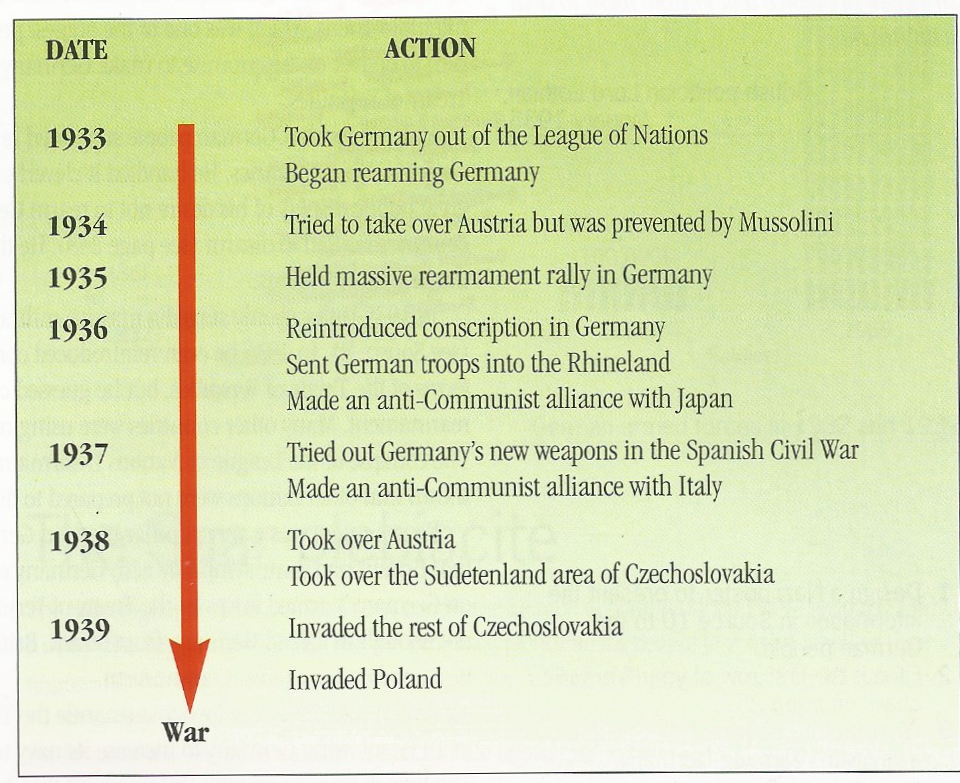
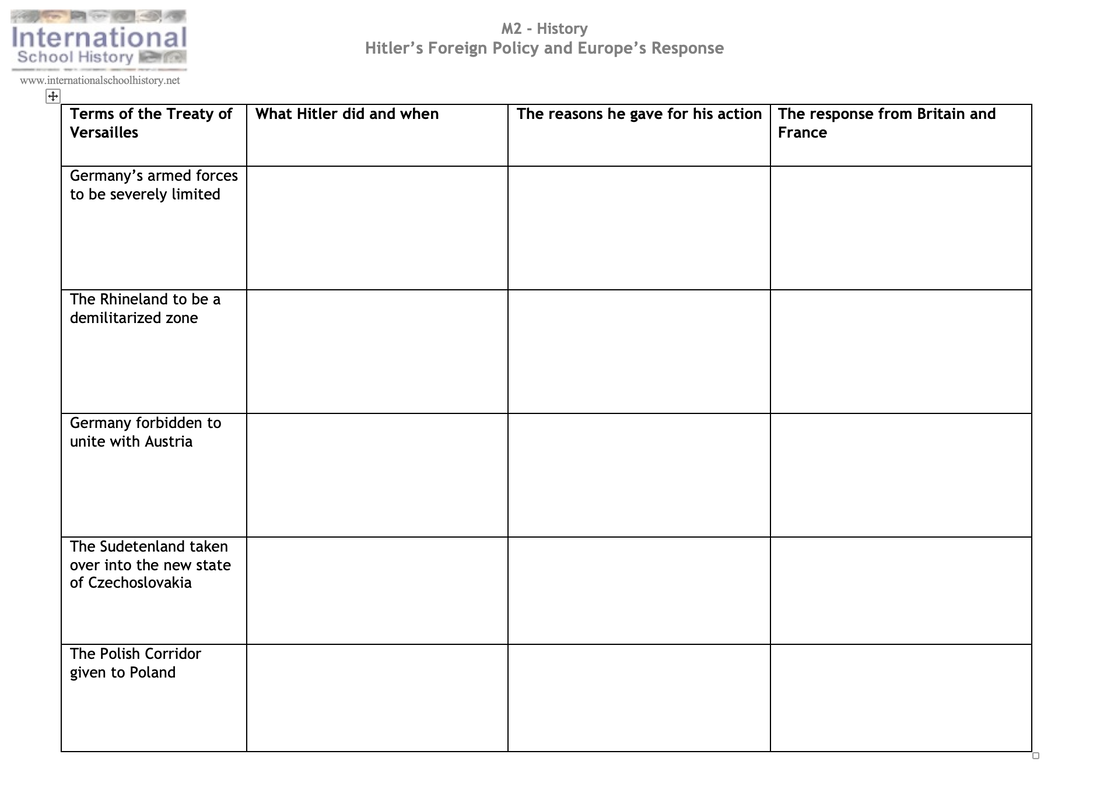
Begin by watching this overview film above. Next you need your textbook 258-72. Copy the table below 'Hitler's Foreign Policy and Europe's Response'.  Complete the table as you work your way through your textbook and text/films below.
Picture
Picture
John D Clare has an alternative eight steps to war - ​https://www.johndclare.net/RoadtoWWII3.htm

1. German armed forces to be limited - pp.258-9
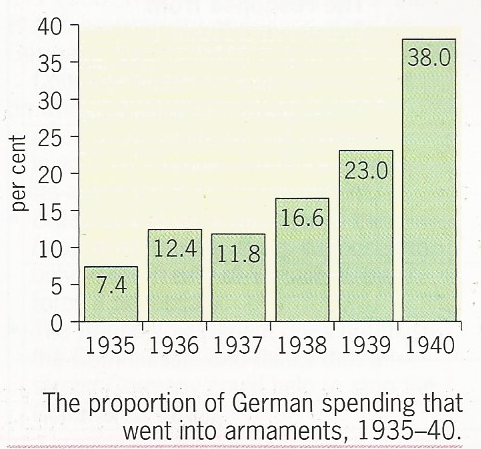
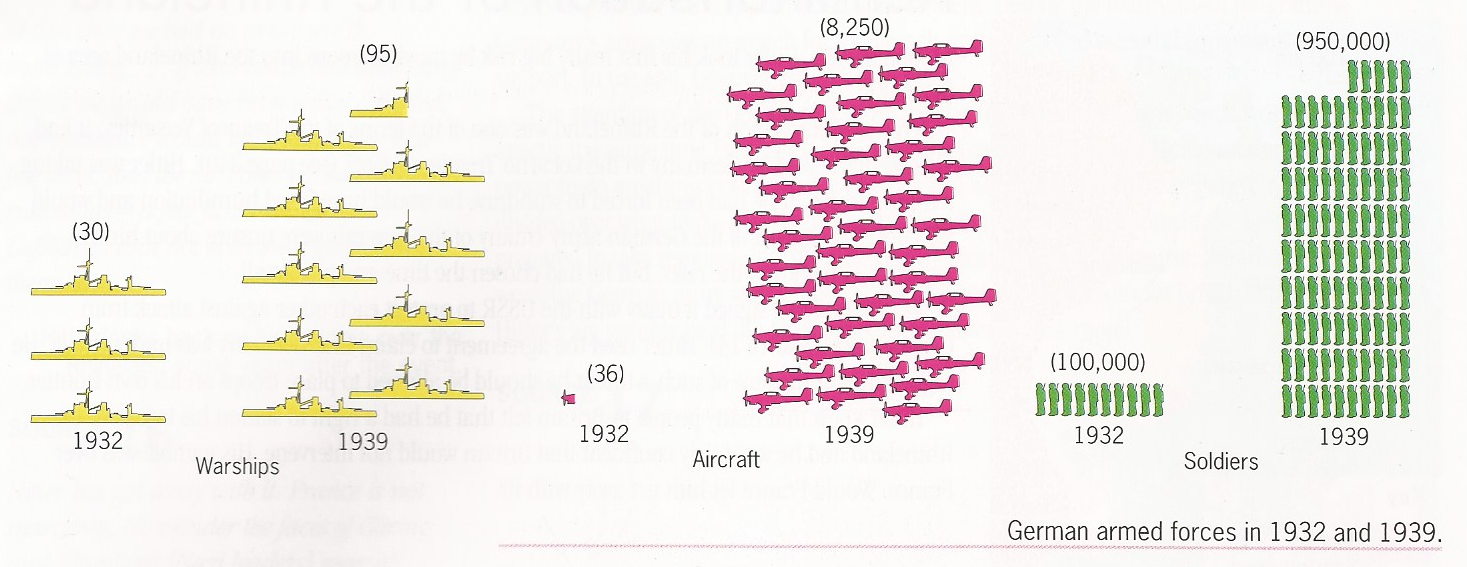
The Treaty of Versailles restricted Germany’s army to 100,000 men, banned conscription, and forbade an air force or submarines. From 1933, Hitler secretly began to expand the army. By 1934, he had already increased its size to around 300,000 men, three times the Versailles limit, though this was not admitted publicly. In March 1935, Hitler went further: he reintroduced conscription, revealed that the army would grow to 36 divisions (around 550,000 soldiers), and admitted the existence of the Luftwaffe. He defended this by claiming Versailles was unjust and that Germany needed to defend itself, especially since other countries were also rearming. Britain’s response was surprisingly relaxed: in June 1935 it signed the Anglo-German Naval Agreement, allowing Germany a navy up to 35% of Britain’s. France strongly opposed Hitler’s actions but did not intervene. French governments were unstable and divided — the left feared fascism, the right feared communism, and all were distracted by economic crisis. Without Britain’s backing, France was unwilling to act. This indecision convinced Hitler he could take even greater risks.
Picture
Picture
https://www.johndclare.net/RoadtoWWII3_rearmament.htm

2. Demilitarized Rhineland - pp.260-1
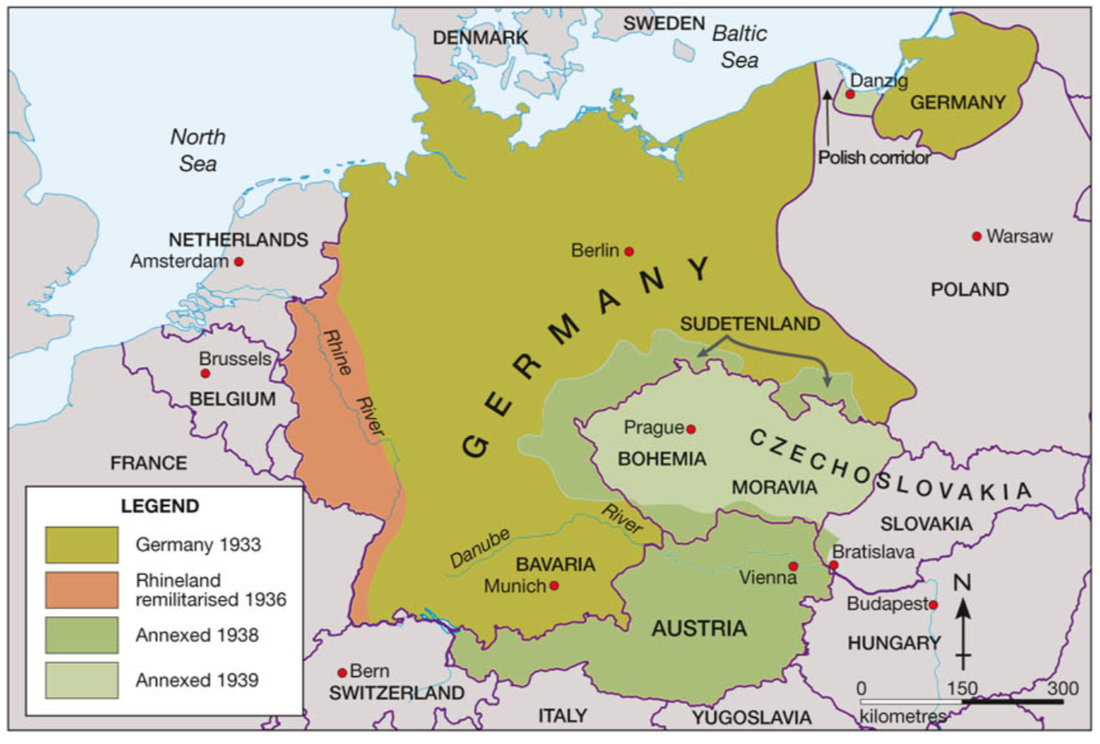
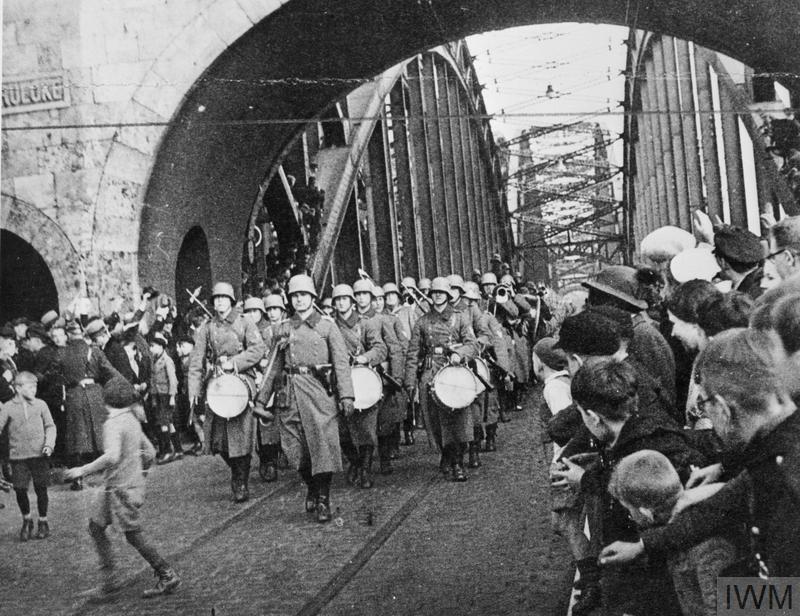
The Treaty of Versailles and the Locarno Pact (1925) had declared the Rhineland a demilitarised zone, designed to protect France from German attack. On 7 March 1936, Hitler sent 22,000 troops into the Rhineland. His generals had orders to withdraw if the French army resisted, a sign of how much of a gamble it was. Hitler claimed that Germany felt threatened by the Franco-Soviet Mutual Assistance Pact (1935), which he said encircled Germany. France, however, was paralysed. The country was in the middle of the 1936 election campaign, with the left-wing Popular Front challenging the right. Political divisions, combined with economic troubles and reliance on Britain, made leaders unwilling to act. Britain also opposed intervention, with many politicians arguing that Germany was only “marching into its own backyard.” Hitler’s success without resistance was a major boost to his prestige and confidence.
Picture
Picture

3. Anschluss Forbidden - p.263
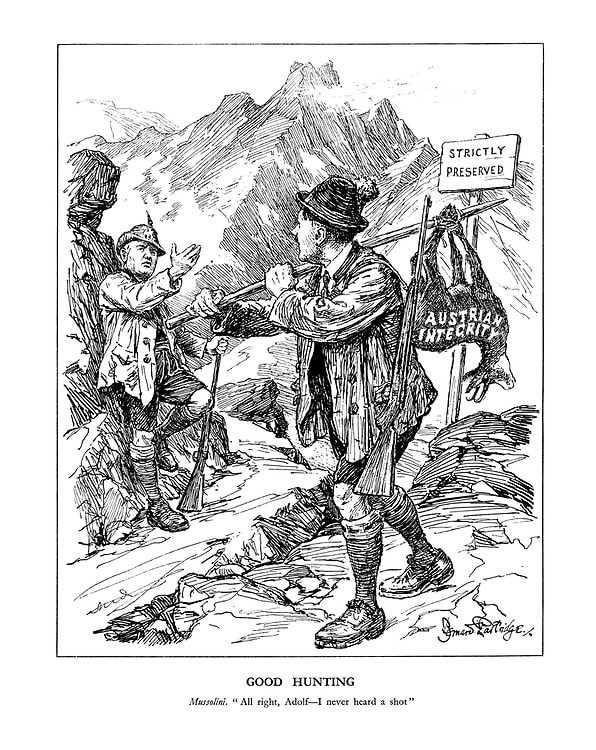
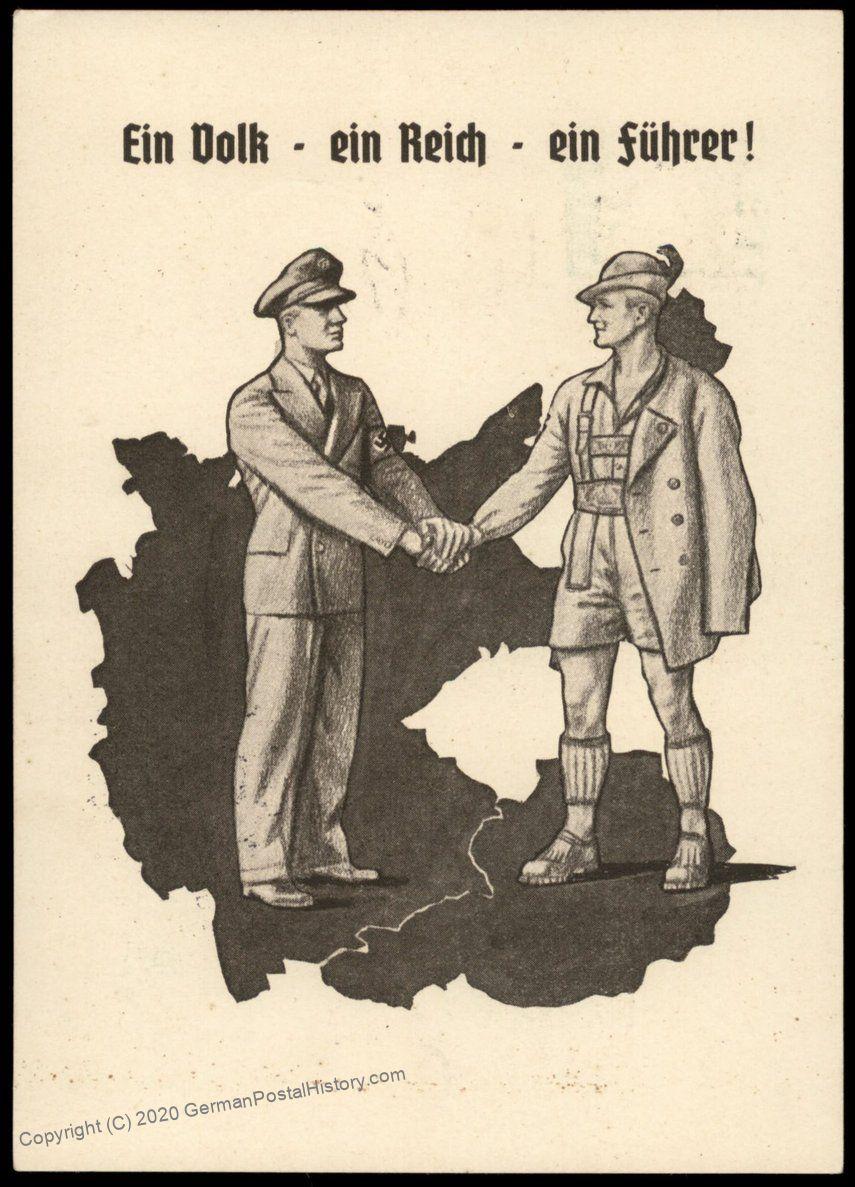
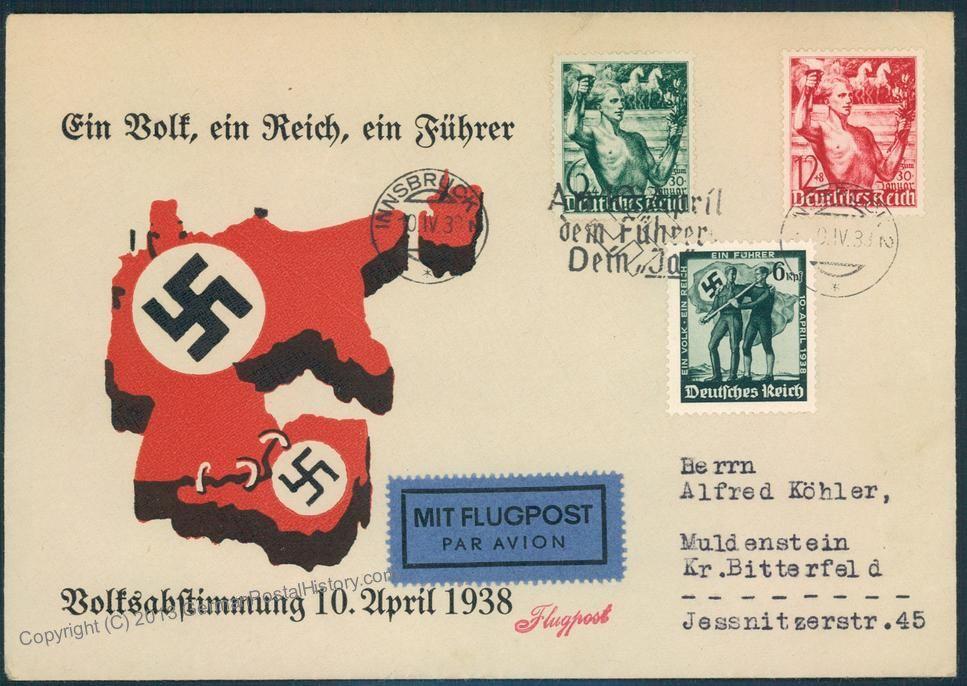
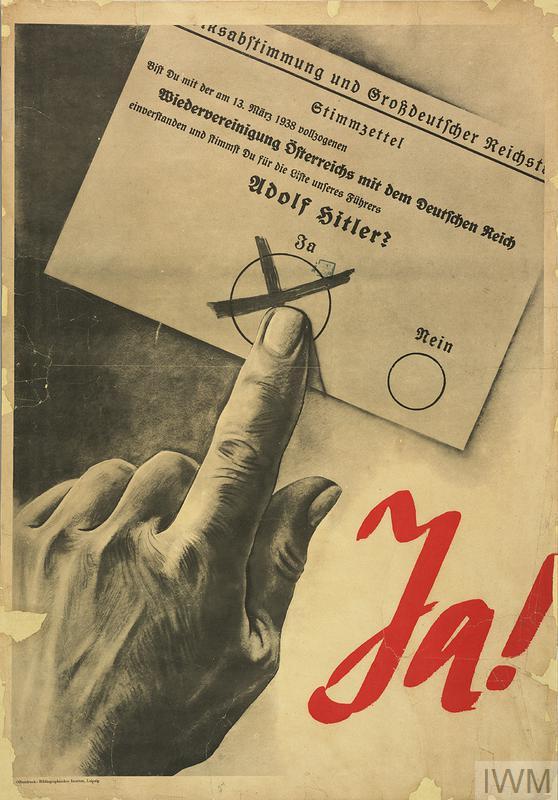
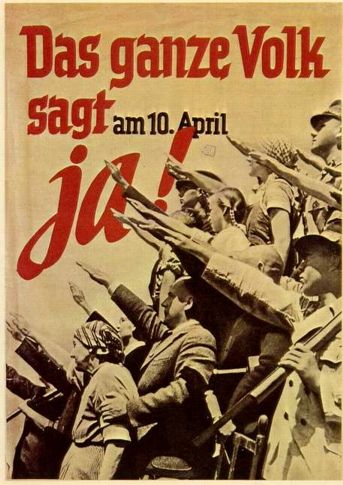
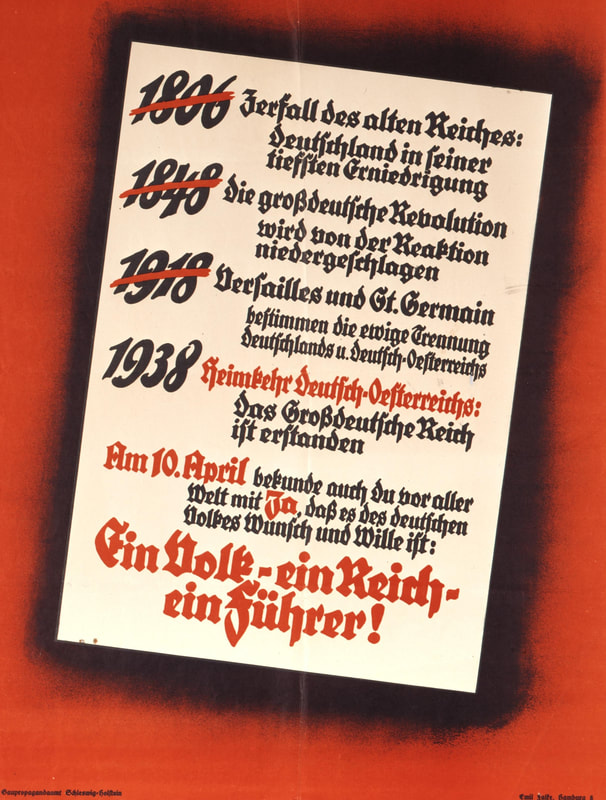
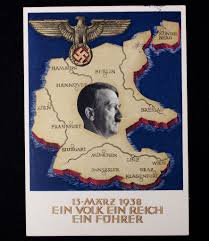
​Versailles and the Treaty of St Germain (1919) had banned any union (Anschluss) between Germany and Austria. Hitler, however, was determined to overturn this. In 1934, Austrian Nazis attempted a coup, killing Chancellor Dollfuss, but Mussolini moved troops to the Brenner Pass and blocked Hitler. By 1936–37, however, the situation had changed: Italy was now allied to Germany after the Rome–Berlin Axis (1936) and the Anti-Comintern Pact (1937). In March 1938, Hitler pressured Austrian Chancellor Schuschnigg into giving Nazis positions in government. When Schuschnigg announced a referendum on Austrian independence, Hitler ordered German troops to cross the border on 12 March 1938. Under German control, a plebiscite was held, showing 99.7% support for union with Germany. Hitler claimed this was simply self-determination, as Austrians and Germans were one people. Britain and France protested but did not act: France was still politically divided and Britain saw Anschluss as not worth a war.
(Above) A gallery of pro-Anschluss Nazi propaganda. (Right) An English cartoonist has a rather different perspective. 
Picture

4. The Sudetenland - p.266-7
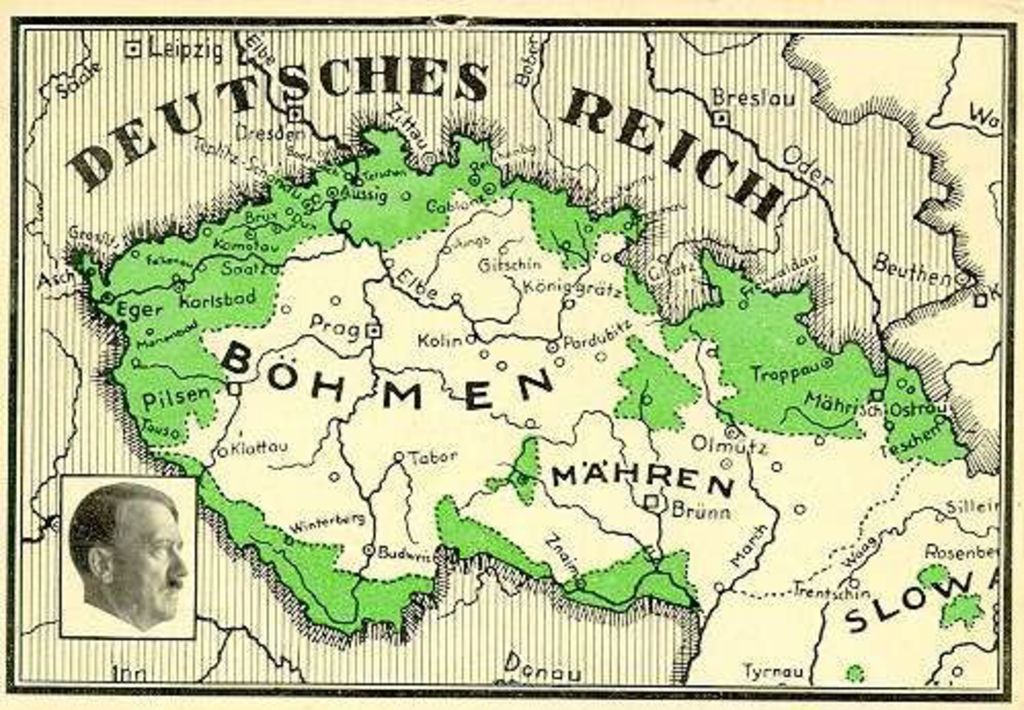
The Treaty of Saint-Germain (1919) had created Czechoslovakia, which included the Sudetenland, home to about 3 million ethnic Germans. Hitler claimed these Sudeten Germans were discriminated against and that he had a duty to protect them. From spring 1938, Nazi leader Konrad Henlein organised unrest in the region to strengthen Hitler’s case. In September 1938, Chamberlain flew to Germany three times to negotiate directly with Hitler. At the Munich Conference (29 September 1938) — attended by Britain, France, Germany, and Italy but not Czechoslovakia — the Sudetenland was handed over to Germany. Chamberlain returned to London declaring “peace for our time.” Britain and France followed appeasement because their militaries were still unprepared, memories of WWI were strong, and many believed Hitler’s demands were limited to German-speaking areas. For France, political instability also played a role: the Popular Front government (1936–38) had collapsed, leaving the country divided and hesitant to confront Germany without Britain. The handover of the Sudetenland destroyed Czechoslovakia’s defences and was the high point of appeasement.
Picture
https://www.johndclare.net/RoadtoWWII5.htm

5. The Polish Corridor - p.271-2
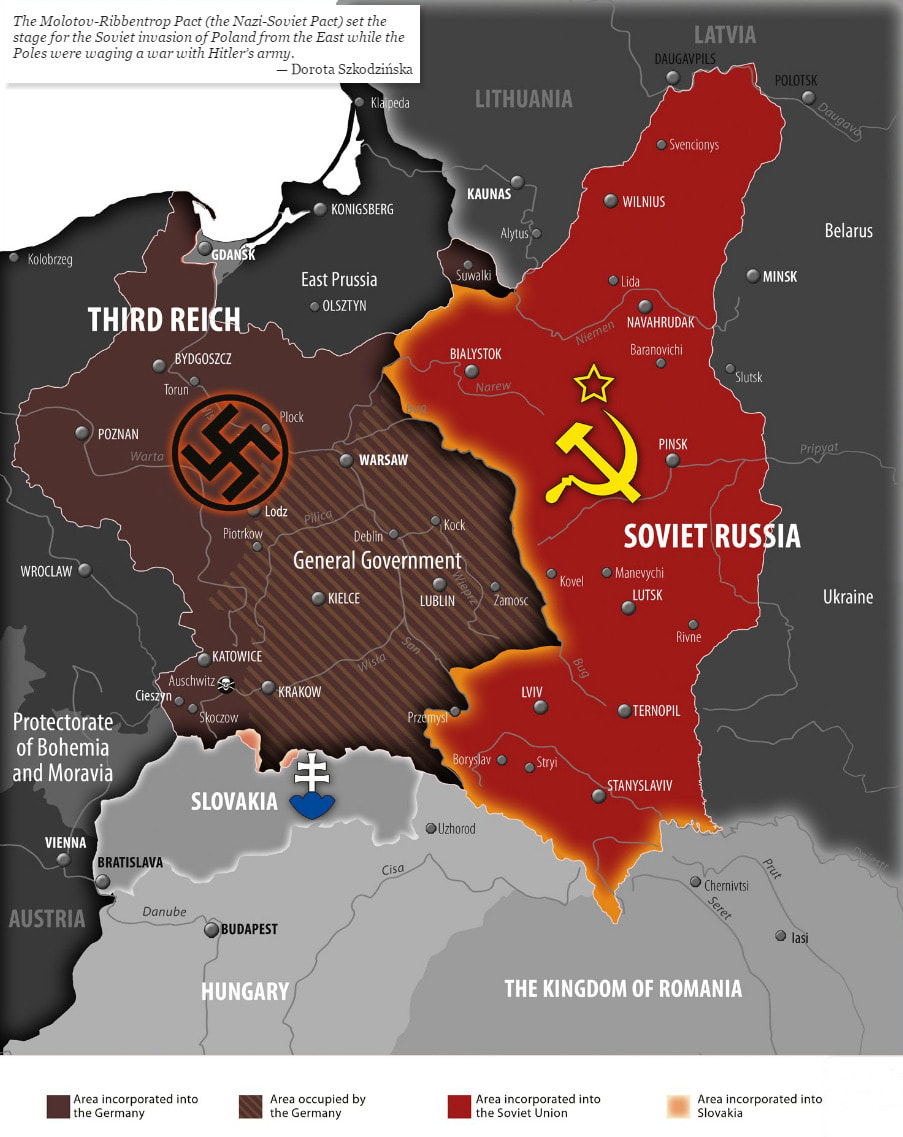
The Treaty of Versailles (1919) gave Poland access to the sea by creating the Polish Corridor, which split East Prussia from the rest of Germany. The city of Danzig, over 90% German, was placed under League of Nations control. By early 1939, Hitler demanded the return of Danzig and a road and rail link across the Corridor. He argued that Versailles was unjust and that Germans in Poland needed protection. This time, Britain and France reacted differently. In March 1939, after Hitler had broken his promises by occupying the rest of Czechoslovakia, they gave Poland a guarantee of independence. When Hitler signed the Nazi–Soviet Pact (23 August 1939), agreeing secretly to divide Poland with Stalin, it became clear he was preparing for war. On 1 September 1939, German forces invaded Poland from the west; on 17 September, the USSR invaded from the east. Britain and France, having promised to defend Poland, declared war on 3 September 1939. Appeasement was over.
Picture
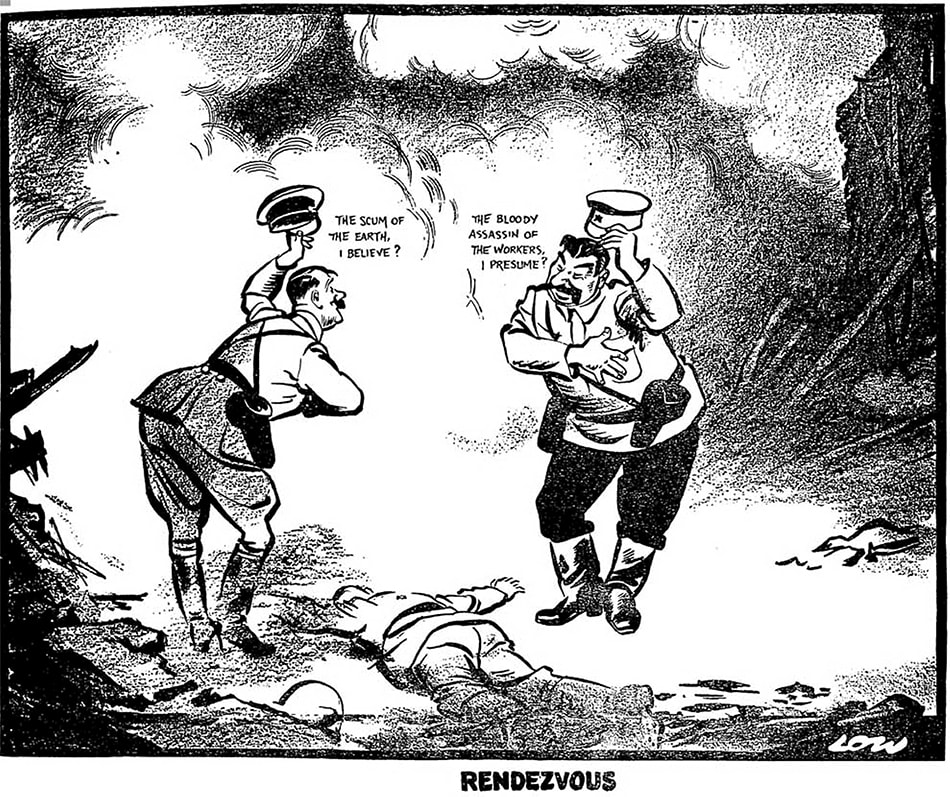
The precipitant cause of the Second World War was the Molotov-Ribbentrop Pact (Nazi-Soviet Pact) in which they agreed not to attack each other and to the division of Poland between them.
Picture

https://www.johndclare.net/RoadtoWWII8.htm
The little brother of internationalschoolhistory.net - Richard Jones-Nerzic- Nyon, Switzerland 2026 
The views expressed on this website are those of the author and not necessarily endorsed by the author's employer. 
  • Home
  • Year 9
    • Unit 1 - Bronze Age Greece >
      • Lesson 1 - Minoa
      • Lesson 2 - Myths
      • Lesson 3 - Atlantis
      • Lesson 4 - The Mycenaeans
      • Lesson 5 - Troy
      • End of Unit Test
    • Unit 2 - Classical Greece >
      • Lesson 1 - Archaic Period
      • Lesson 2 - Olympics
      • Lesson 3 - Athens
      • Lesson 4 - Democracy
      • Lesson 5 - Sparta
      • Lesson 6 - Greek Gods
      • Lesson 7 - Greek Legacy
      • End of Unit Test - 2
    • Unit 3 - Roman Republic >
      • Lesson 1 - Foundation
      • Lesson 2 - Republic
      • Lesson 3 - Hannibal
      • Lesson 4 - Julius Caesar
      • Lesson 5 - Rome
    • Unit 4 - Roman Empire >
      • Lesson 1 - Empire
      • Lesson 2 - Roman Nyon
      • Lesson 3 - Pompeii
      • Lesson 4 - Rise and Fall
      • Lesson 5 - Legacy
    • Unit 5 - The early Middle Ages >
      • Lesson 1 - Middle Ages?
      • Lesson 2 - Christianity
      • Lesson 3 - Monasteries
      • Lesson 4 - Justinian
      • Lesson 5 - Islam
      • Lesson 6 - Vikings
  • Year 11
    • Warfare - A study through time >
      • Lesson 1 - Introduction >
        • Warfare - Timeline activity >
          • Students' Timelines 2020
      • Lesson 2 - Medieval >
        • Case Study - 1066 - Battle of Hastings
      • Lesson 3 - Crusades >
        • Case Study - 1271 - Krak des Chevaliers
      • Lesson 4 - New World >
        • Case Study - 1532 - Battle of Cajamarca
      • Lesson 5 - Religion >
        • Case Study - 1572 - St. Bartholomew's Day Massacre
      • Lesson 6 - Napoleon >
        • Case Study - 1796 - Battle of Lodi
      • Lesson 7 - Industrial >
        • Case Study - 1859 - Battle of Solferino
      • Lesson 8 - World War 1 >
        • Case Study - 1915 - The Battle of Ypres
      • Lesson 9 - 1930s >
        • Case Study - 1937 - Nanjing Massacre
      • Lesson 10 - Vietnam >
        • Case Study - 1968 - Tet Offensive
    • Matu 1 - The American Revolution >
      • Lesson 1 - The Scientific Revolution
      • Lesson 2 - The Enlightenment
      • Lesson 3 - Enlightened Monarchs
      • Lesson 4 - Colonising America
      • Lesson 5 - Thirteen Colonies
      • Lesson 6 - Boston Massacre? >
        • Boston Massacre - The Play
      • Lesson 7 - Short-term causes
      • Lesson 8 - Why Britain lost
      • Lesson 9 - Consequences
      • Lesson 10 - How revolutionary?
    • Matu 2 - The French Revolution >
      • Lesson 1 - Introduction
      • Lesson 2 - Causes SE
      • Lesson 3 - Causes CP
      • Lesson 4 - Short term causes
      • Lesson 5 - The Bastille
      • Lesson 6 - 1789-91
      • Lesson 7 - 1793 Execution
      • Lesson 8 - The Terror
    • Matu 3 - Switzerland and Napoleon >
      • Lesson 1 - Ancien Regime
      • Lesson 2 - 1789
      • Lesson 3 - Napoleon's Rise
      • Lesson 4 - Napoleon in Art
      • Lesson 5 - Napoleon's Reforms
      • Lesson 6 - Switzerland 1798-1815
      • Lesson 7 - Napoleon's Europe
      • Lesson 8 - Napoleon: Hero or villain
  • S1 S2
    • Matu 4 - Industrial Revolution >
      • Lesson 1 - Why was Britain First?
      • Lesson 2 - Economics - Agriculture
      • Lesson 3 - Economics - Industry
      • Lesson 4 - Transport
      • Lesson 5 - Social Impact
      • Lesson 6 - Cultural Impact
      • Lesson 7 - Political Impact
      • Lesson 8 - Switzerland
    • Matu 5 - Nationalism >
      • Lesson 1 - Impact of French Revolution
      • Lesson 2 - Napoleon and Vienna
      • Lesson 3 - 1815-48 - Age of Revolution
      • Lesson 4 - Italian Unification - 1830-48
      • Lesson 5 - Switzerland 1815-48
      • Lesson 6 - Italian Unification - 1848-70
      • Lesson 7 - German Unification - 1848-71
      • Lesson 8 - The German Empire
    • Matu 6 - New Imperialism >
      • Lesson 1 - New Imperialism?
      • Lesson 2 - Africa
      • Lesson 3 - Congo
      • Lesson 4 - China
      • Lesson 5 - Japan
      • Lesson 6 - Legacy
      • Jared Diamond thesis
    • Matu 7 - World War 1 >
      • Lesson 1 - Introduction
      • Lesson 2 - Causes
      • Lesson 3 - 1914
      • Lesson 4 - Expectations
      • Lesson 5 - Reality
      • Lesson 6 - Total War
      • Lesson 7 - Switzerland
      • Lesson 8 - Defeat
      • Lesson 9 - Peace 1919
    • Matu 8 - Russian Revolutions >
      • Lesson 1 - Russia before 1917 >
        • Tim Marshall - Russia
      • Lesson 2 - 1905 Revolution
      • Lesson 3 - February Revolution
      • Lesson 4 - Marxism
      • Lesson 5 - Lenin
      • Lesson 6 - The Bolsheviks
      • Lesson 7 - 1917-18
      • Lesson 8 - Civil War
    • Matu 9 - USA 1919-41 >
      • Lesson 1 - 1920s boom
      • Lesson 2 - Roaring 20s?
      • Lesson 3 - Crash
      • Lesson 4 - 1932 Election
      • Lesson 5 - New Deal
      • Lesson 6 - Judging the New Deal
    • Matu 10 - Totalitarian States >
      • Lesson 1 - Modern Authoritarianism >
        • Is Trump's USA fascist?
      • Lesson 2 - Fascism
      • Lesson 3 - Mussolini - Rise to Power
      • Lesson 4 - Mussolini - Consolidation of Power
      • Lesson 5 - Mussolini - Aims and policies
      • Lesson 6 - Research presentations >
        • Hitler - Research presentations
        • Stalin- Research presentations
      • Lesson 7 - Hitler - Germany 1933-45 >
        • Hitler - Rise to Power
        • Hitler - Consolidation of Power
        • Hitler - Aims and policies
      • Lesson 8 - Stalin - USSR 1924-41 >
        • Stalin - Rise to Power
        • Stalin - Consolidation of Power
        • Stalin - Aims and policies
    • Exams and Revision
  • S3
    • Matu 11 - World War II >
      • Lesson 1 - WW1
      • Lesson 2 - LoN
      • Lesson 3 - Hitler
      • Lesson 4 - Appeasement
      • Lesson 5 - 1939-40
      • Lesson 6 - Japan
      • Lesson 7 - Russia
      • Lesson 8 - Total War
      • Lesson 9 - Defeat
      • Lesson 10 - Switzerland
    • Matu 12 - The Cold War >
      • Lesson 1 - Causes
      • Lesson 2 - Berlin
      • Lesson 3 - 1950s
      • Lesson 4 - 1960s
      • Lesson 5 - 1970s
      • Lesson 6 - 1980s
    • Matu 13 - Decolonisation and the Third World >
      • Lesson 1 - Factors
      • Lesson 2 - Case studies
      • Lesson 3 - Consequences
    • Matu 14 - Switzerland >
      • Swiss Politics
      • Swiss History
    • Exams and Revision
  • IB History
    • IB History - Paper 1 >
      • IB History - Paper 1 - Content
      • IB History - Paper 1 - Past paper questions >
        • Question 1a
        • Question 1b
        • Question 2
        • Question 3
        • Question 4
      • IB History - Paper 1 - Skills
    • IB History - Paper 2 >
      • IB History - Paper 2 past paper questions
      • IB History - 7. Industrialization >
        • IB History - Past paper questions - Industrialization
        • IB History - First and Second Industrial Revolution
        • IB History - Steven Johnson
        • Activity 1
      • IB History - 8. Independence movements >
        • IB History - Past paper questions - Independence movements
        • IB History - Revision Template - Independence movements >
          • IB History - Independence movements - Theme 1 - Origin and rise
          • IB History - Independence movements - Theme 2 - Methods
      • IB History - 10. Authoritarian States >
        • IB History - Emergence of authoritarian states
        • IB History - Consolidation and maintenance
        • IB History - Aims and policies
        • IB History - Past paper questions - Authoritarian states
        • IB History - Revision Template - Authoritarian states >
          • Hitler - Germany and Castro - Cuba - A comparative analysis (Part 1)
          • Hitler - Germany and Castro - Cuba - A comparative analysis (Part 2)
          • Hitler - Germany and Castro - Cuba - A comparative analysis (Part 3)
      • IB History - 11. Warfare >
        • IB History - Past paper questions - Warfare
      • IB History - 12. Cold War >
        • IB History - Past paper questions - Cold War
        • IB History - Revision essay plans - Cold War >
          • Cold War - 1943-49 - Rivalry, mistrust and accord
          • Cold War - 1947-79 - Rivalry, mistrust and accord
          • Cold War - 1980-91 - Rivalry, mistrust and accord
          • Cold War - Leaders, nations and Cold War crises.
    • IB History - IA - Internal Assessment
  • TOK
    • Critical Thinking >
      • Lesson 1 - Thinking >
        • Lesson 1 - Test
      • Lesson 2 - Language
      • Lesson 3 - Senses
      • Lesson 4 - Reason
      • Lesson 5 - Emotion
      • Assessment >
        • Movie perception test
        • Complete film
        • Student Films 2021
    • Core theme - Knowledge and the knower >
      • Knowledge framework
    • Areas of Knowledge >
      • History >
        • Scope in history
        • Method and perspective in history
        • Ethics in history
      • Human Science >
        • Scope in human science
        • Method and perspectives in human science
        • Ethics in human science
      • Natural Science >
        • Scope in natural science
        • Method and perspectives in natural science
        • Ethics in human science
      • Maths >
        • Scope in maths
        • Method and perspectives in maths
        • Ethics in maths
      • Arts >
        • Scope in the arts
        • Method and perspectives in arts
        • Ethics in the arts
      • Politics >
        • Scope in politics
        • Method and perspectives in politics
        • Ethics in politics
      • Technology >
        • Scope in technology
        • Method and perspectives in politics
        • Ethics in technology
      • Language >
        • Scope in language
        • Method and perspectives in language
        • Ethics in technology
    • Assessment >
      • TOK Exhibition >
        • TOK Exhibition 2023
        • TOK Exhibition 2024
        • TOK Exhibition 2025
      • Essay
    • Feature Films
  • Film Workshop
  • About